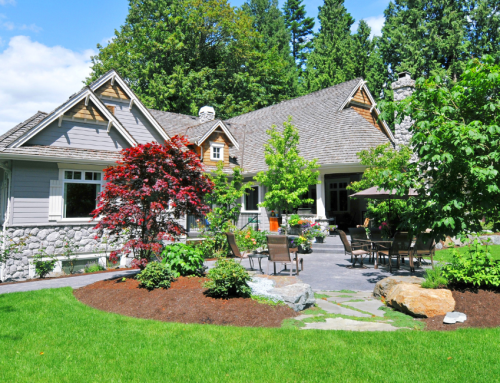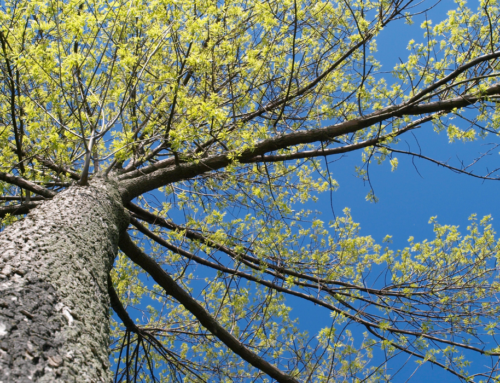
As your landscape comes to life in spring, it’s easy to focus on how everything looks above ground—fresh leaves, green lawns, and blooming shrubs.
But what you don’t see is often more important.
Spring is when stress, disease, and structural issues begin to show—and when the difference between expert care and guesswork becomes clear.
The Risk of “Quick Fix” Tree Care
Tree work may seem straightforward—but it’s anything but.
Improper pruning, incorrect treatments, or untrained crews can cause:
- Long-term structural damage
- Increased risk of disease
- Weak growth that leads to breakage
- Premature decline or removal
Tree care is not just physical work—it’s science.
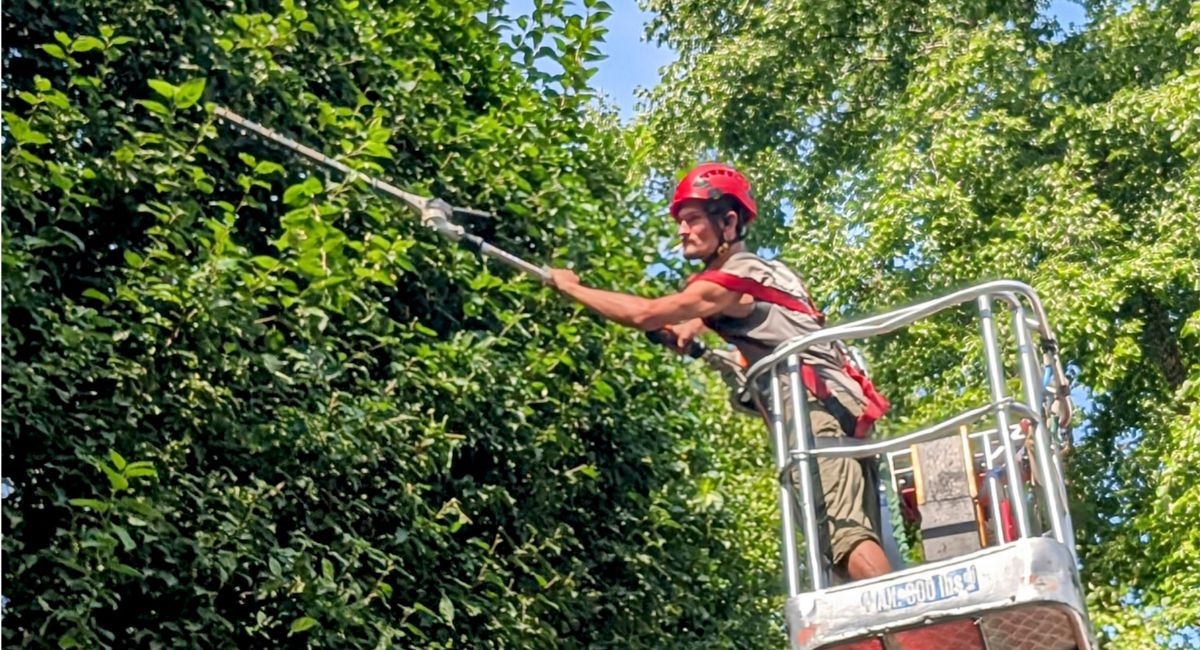
In fact, working with unqualified or uninsured providers can expose homeowners to safety risks and liability, especially given the dangerous nature of tree work at height.
Why Plant Health Care Requires Expertise
Trees and shrubs don’t fail overnight.
Most issues—disease, pests, nutrient deficiencies—develop gradually below the surface or within the canopy.
Without proper diagnosis, treatments can:
- Miss the real problem
- Waste time and money
- Allow issues to spread
A trained arborist evaluates your landscape as a system—identifying root causes, not just symptoms.
The Power of Early Detection
Spring is the most important time to catch problems early.
What we’re seeing right now:
- Fungal diseases beginning to develop
- Insect activity increasing
- Winter damage becoming visible
- Soil-related stress impacting growth
These are all manageable—if addressed early.
Left untreated, they often turn into:
- Major decline
- Structural failure
- Full removals
It All Starts Below the Surface
Healthy landscapes begin with healthy soil.
Issues like compaction, poor nutrients, or lack of organic matter can limit root growth and weaken plants.
Services like:
- Soil testing
- Air spading
- Deep root feeding
help correct these problems and support long-term plant health.
What Sets Professional Arborists Apart
An arborist is trained to:
- Diagnose plant health issues
- Understand species-specific needs
- Prune for structure and longevity
- Identify risks before they become hazards
Arborists focus specifically on the care, health, and safety of trees and woody plants—not just cutting or removal.
This level of expertise is what protects your landscape—and your investment.
A Smarter Approach to Landscape Care
At Camelot, our approach is built on:
- Proper diagnosis before treatment
- Environmentally responsible practices
- Long-term solutions—not quick fixes
Because your landscape isn’t just something you maintain—it’s something you protect.
Don’t Wait Until It’s Too Late
The biggest mistake homeowners make is waiting.
By the time a problem is obvious, it’s often more expensive—and more difficult—to correct.
Spring is your window to:
- Identify issues early
- Strengthen plant health
- Prevent long-term damage
Start with a Professional Evaluation
If you’re unsure what your landscape needs, start with an expert.
A consultation can help you:
- Understand what’s healthy
- Identify what needs attention
- Create a plan for the season ahead
📞 313-884-1699
🌐 camelottree.com/schedule-a-consultation